Pharmacology

Department of Pharmacology
Introduction


Department of Pharmacology
The Department of Pharmacology was established in 2004 under the guidance of the eminent academician Dr. Dahat S. H. Since its inception, the department has steadily expanded in academic excellence, infrastructure, research and faculty strength. The department is presently headed by Dr. Kiran Vakade.
The department caters to undergraduate, nursing and physiotherapy students by providing competency based education in Pharmacology. The MBBS undergraduate intake has progressively increased from 100 to 200 students. The MD Pharmacology postgraduate programme, started in 2011, received National Medical Commission (formerly MCI) recognition in 2014.
The department is committed to promoting rational use of medicines, patient safety, evidence based therapeutics, pharmacovigilance, clinical research and ethical prescribing practices in accordance with the goals of the NMC Competency-Based Medical Education (CBME) Curriculum.
Vision
To develop the Department of Pharmacology as a Centre of Excellence in competency-based medical education, rational therapeutics, pharmacovigilance, clinical research and safe, ethical and evidence-based use of medicines, thereby contributing to quality patient care and improved community health.
Mission
- To impart competency-based knowledge of pharmacology, emphasizing pharmacokinetics, pharmacodynamics, pharmacotherapeutics, adverse drug reactions and rational prescribing.
- To develop practical competencies in the safe, effective, ethical and patient-centred use of medicines through integrated and competency-based learning.
- To develop competencies in prescription writing, dosage calculations, medication safety, adverse drug reaction reporting and pharmacovigilance.
- To promote vertical and horizontal integration with clinical disciplines in accordance with the NMC-CBME curriculum.
- To encourage undergraduate and faculty research in basic, clinical and community based pharmacology.
- To inculcate the principles of evidence-based medicine through critical interpretation of drug information and promotional literature.
- To strengthen awareness regarding National Health Programmes, essential medicines, antimicrobial stewardship and public health priorities.
- To prepare competent Indian Medical Graduates possessing the knowledge, skills, attitudes, values and professionalism expected under the NMC Competency-Based Medical Education curriculum.
- To continuously update teaching-learning methods by incorporating simulation-based learning, digital resources, self-directed learning (SDL), early clinical exposure (ECE), and competency-based assessment.
Objectives
- To achieve excellence in competency-based pharmacology education, research and patient oriented therapeutics.
- To develop graduates capable of rational, safe, ethical and evidence-based prescribing.
- To promote patient safety through medication safety initiatives and pharmacovigilance activities.
- To encourage interdisciplinary research addressing national and regional healthcare priorities.
- To support lifelong learning, professionalism, ethics and communication skills among learners.
- To contribute to quality healthcare through promotion of the rational use of medicines and continuous professional development.
Former Heads of the Department
|
Sr. No. |
Name |
Duration |
|
1 |
Dr. Dahat S. H. |
05 May 2004 – 06 May 2008 |
|
2 |
Dr. Nayak B. B. |
01 Dec 2008 – 27 Nov 2018 |
|
3 |
Dr. Gade P. R. |
28 Nov 2018 – 09 Dec 2021 |
|
4 |
Dr. Kiran Vakade |
10 Dec 2021 – Present |
Teaching Staff
Teaching Staff 1
PDFActivities
Activities 1
PDFAwards & Achievements
Awards & Achievements 1
PDFBest Practice
Best Practices
1. Academic
- Competency-Based Medical Education (CBME) aligned teaching learning methods.
- Interactive theory lectures using audiovisual aids and digital learning resources.
- Small Group Discussions (SGD), tutorials, seminars, role plays and case based learning.
- Early Clinical Exposure (ECE) and integration with clinical departments.
- Practical sessions utilizing Computer Assisted Learning (CAL) for experimental pharmacology.
- Demonstration and hands on practice of clinical skills on manikins in the skill laboratory.
- Prescription writing exercises, problem based learning and clinical pharmacology case discussions to promote rational prescribing.
- Formative assessments with timely feedback and remedial teaching for slow learners while providing enrichment activities for advanced learners.
- Self Directed Learning (SDL) sessions to promote lifelong learning.
- Reflective writing and feedback sessions for students completing Pharmacology electives, encouraging critical thinking, self-assessment and professional development.
- Use of online and blended learning platforms whenever appropriate.
- Development and maintenance of a Medicinal or Herbal Garden to familiarize students with medicinal plants, their therapeutic uses and their relevance in traditional and modern pharmacology, promoting experiential and integrated learning.
2. Research and Innovation
- Guidance and mentorship for undergraduate students applying for the ICMR Short-Term Studentship (STS) Programme.
- Encouraging undergraduate students to participate in research projects, scientific paper presentations and poster competitions.
- Promoting research methodology and ethical research practices.
- Encouraging faculty and students to participate in research activities.
3. Co-curricular Activities
- Regular organization of quizzes, seminars, integrated teaching sessions and case based discussions.
- Organizing guest lectures by eminent academicians and experts from academia, industry and Pharmacovigilance.
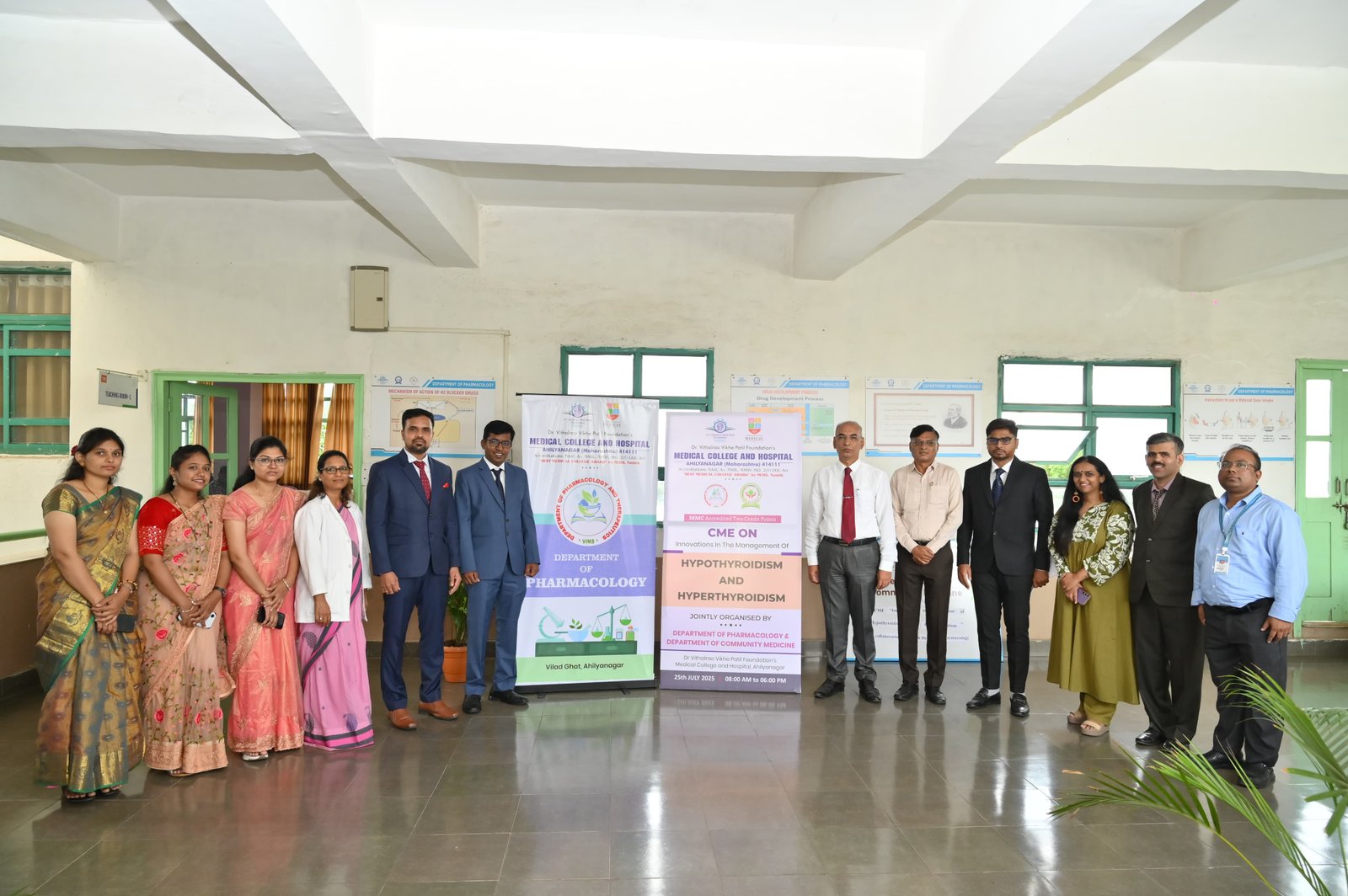
- Conducting Continuing Medical Education (CME) programmes, workshops, webinars and faculty development activities.
- Guidance for postgraduate entrance examinations and other competitive examinations.
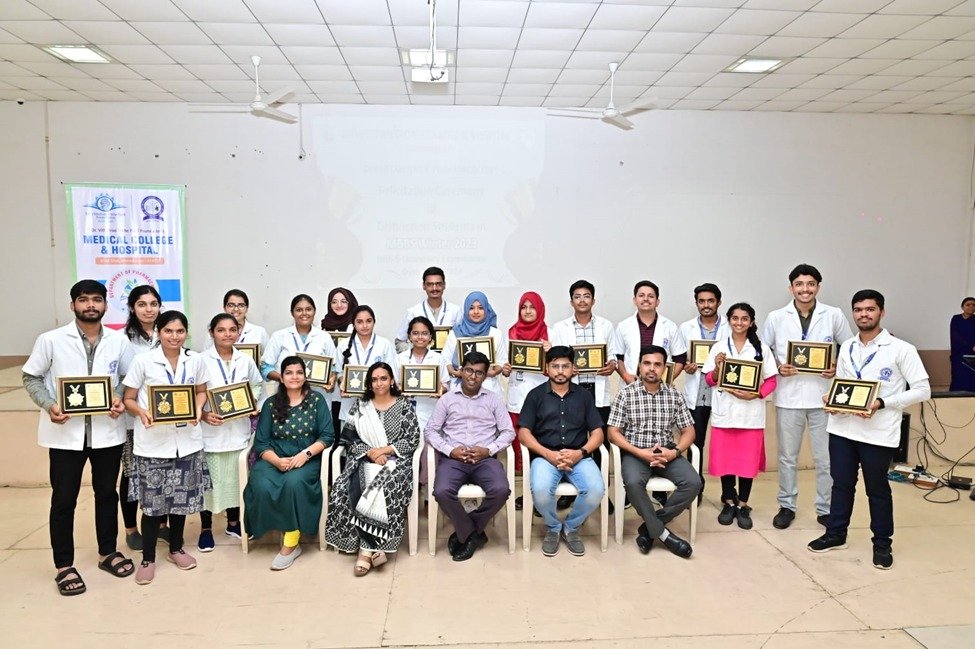
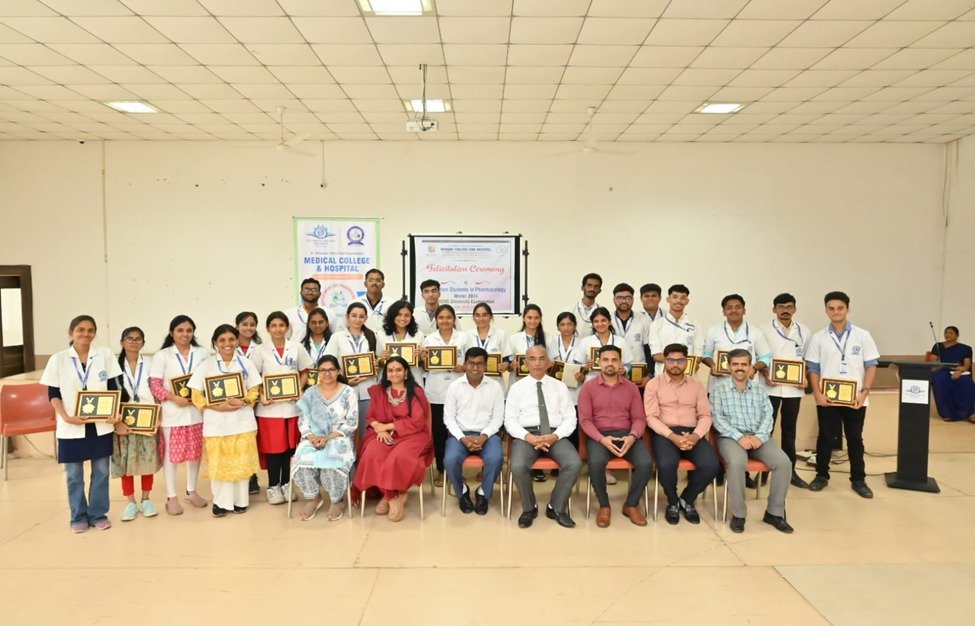
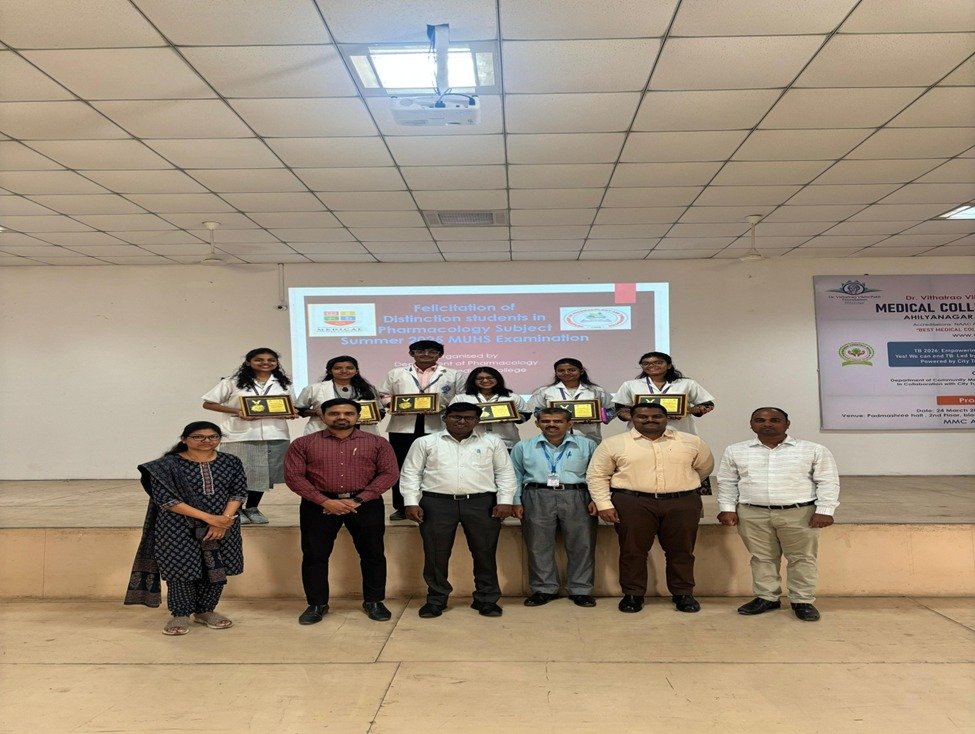
- Annual felicitation of students securing distinction in Pharmacology in the presence of junior MBBS batches to recognize academic excellence and motivate juniors to strive for distinction in the subject.
4. Student Development and Professionalism
- Structured mentorship programme for academic, personal and professional guidance.
- Career guidance sessions regarding higher education, research opportunities and career pathways in Pharmacology.
- Conducting Value Added Courses aligned with emerging areas in healthcare, including digital health, research, pharmacovigilance, artificial intelligence, communication skills, professionalism and ethics.
- Promoting reflective practice, ethical conduct, communication skills, teamwork and professionalism as envisaged in the CBME curriculum.
- Encouraging participation in community outreach programmes, health awareness activities and initiatives promoting rational use of medicines.
- Promoting student participation in cultural festivals, sports events and extracurricular activities for holistic personality development and well being.


Research
Research 1
PDFSOP
SOP 1
PDFFuture Plan
Future Plan
- To strengthen competency-based medical education (CBME) by incorporating digital learning platforms, artificial intelligence enabled educational tools and competency based assessment strategies.
- To establish a Centre of Excellence in Clinical Pharmacology by expanding activities in pharmacovigilance, medication safety, therapeutic drug monitoring, pharmacoepidemiology, pharmacoeconomics and antimicrobial stewardship.
- To strengthen the institutional research ecosystem by promoting investigator initiated and collaborative clinical research, with the Department of Pharmacology playing a pivotal role in protocol development, scientific review, ethical conduct of research through the Institutional Ethics Committee (IEC), regulatory compliance and Good Clinical Practice (GCP).
- To facilitate the initiation and conduct of ethically compliant clinical trials at the institute by providing scientific, regulatory and pharmacological expertise in collaboration with clinical departments, research organizations and industry partners.
- To establish a Clinical Research and Regulatory Sciences Unit for training undergraduate students, postgraduate students, interns and faculty in clinical trial methodology, pharmacovigilance, regulatory affairs, research ethics and evidence based medicine.
- To strengthen interdisciplinary research by fostering collaborations with clinical, para-clinical and basic science departments for patient oriented research addressing regional and national healthcare priorities.
- To expand community outreach activities promoting rational use of medicines, antimicrobial stewardship, medication safety, ecopharmacology and public awareness regarding responsible use of drugs.
- To upgrade the departmental museum, skill laboratory and digital learning resources into an interactive competency based learning facility supporting simulation, prescription skills and clinical pharmacology training.
- To encourage faculty and student participation in funded research projects, national and international collaborations, publications and continuing professional development programmes.
Profile Book
Profile Book 1
PDFOthers
Other Information :
ROLE OF DEPARTMENT OF PHARMACOLOGY
Academics
•The Department of Pharmacology was established in the year 2004.
•The Department is involved in teaching activity to various courses like MBBS (U.G), and CCMP (Modern Pharmacology).
For MBBS
•The goal of teaching undergraduate students in Pharmacology is to develop the rational and scientific basis of therapeutics into clinical practice. Also, to enable students capable of using drugs in clinical practice with scientific awareness by means of integrated teaching with clinical and pre-clinical departments.
•The students are also taken to industrial visits during their course for giving a practical awareness on manufacturing of various forms of drug formulations.
•Students are also encouraged in bilateral participation in academics by conducting Seminars and Quiz competitions.