Microbiology

Department of Microbiology
Introduction


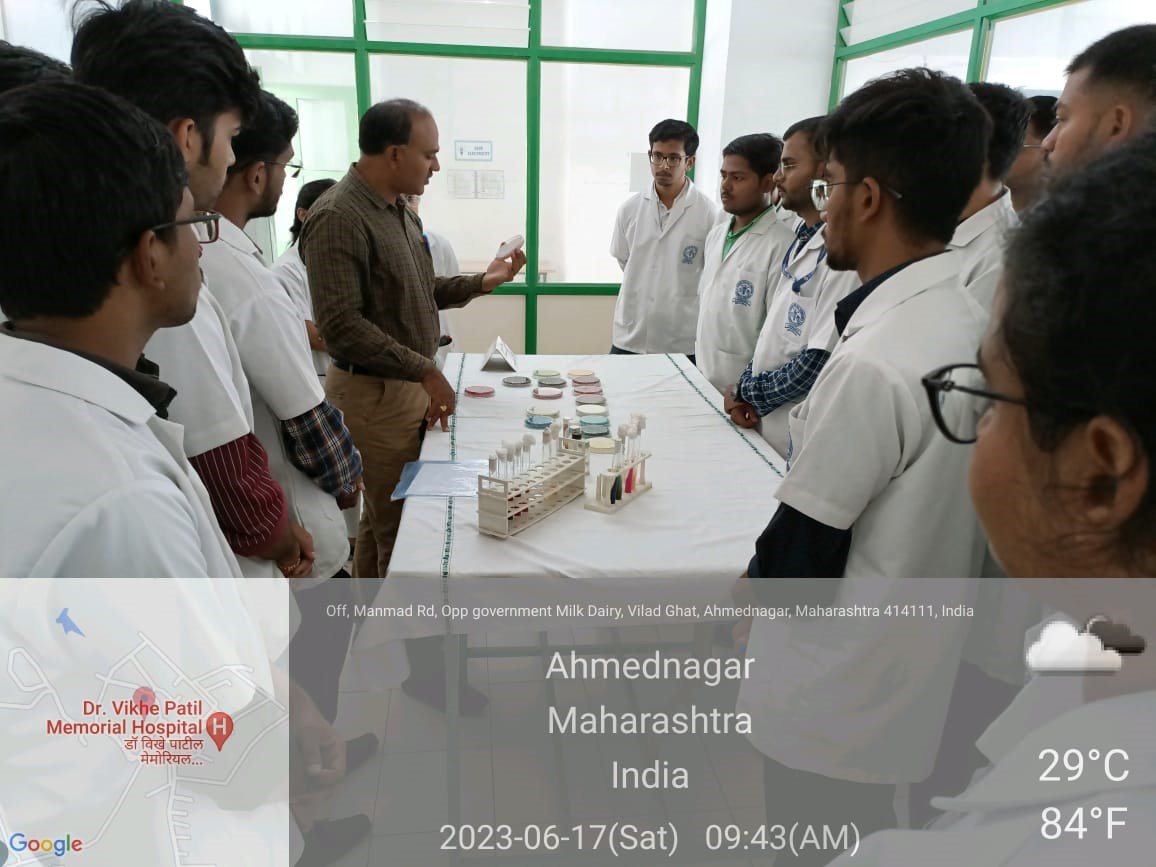
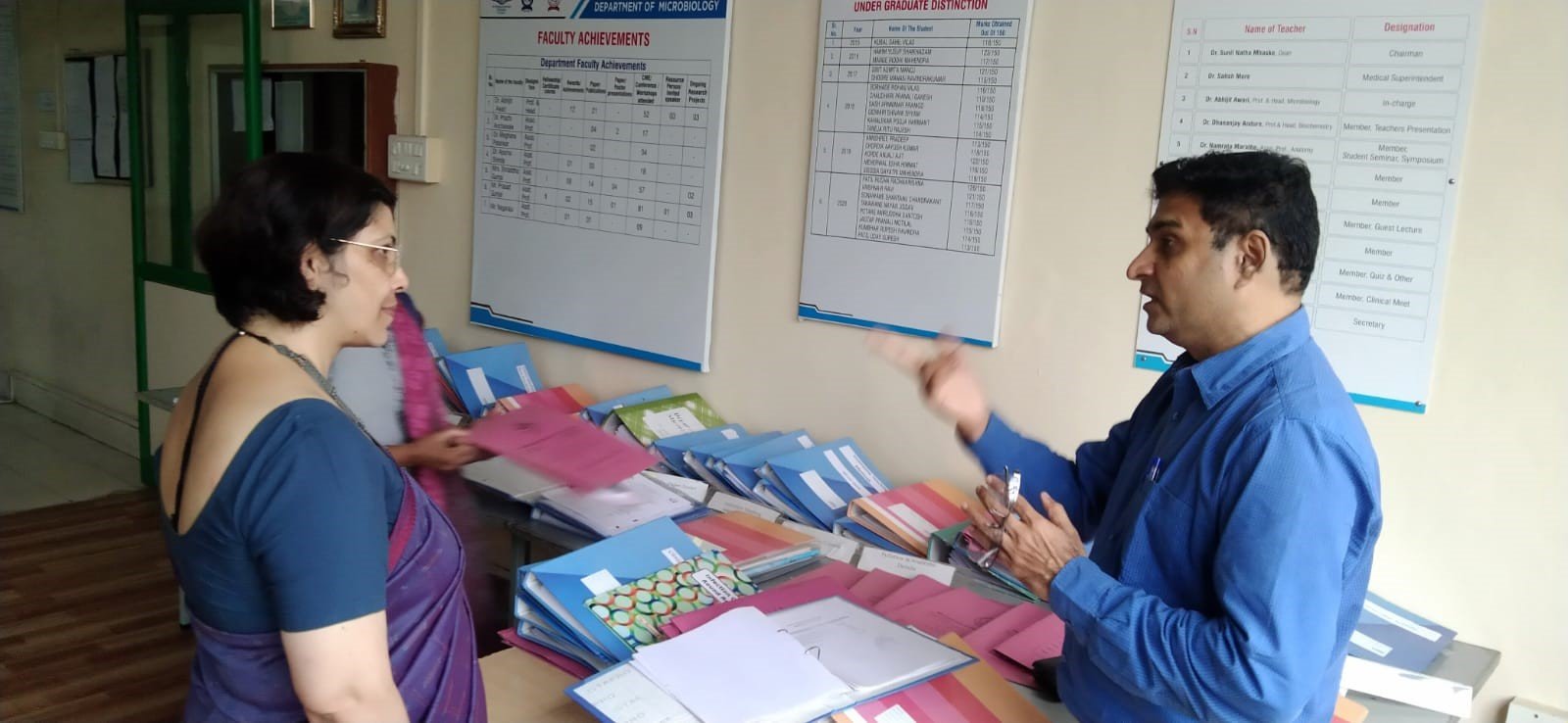
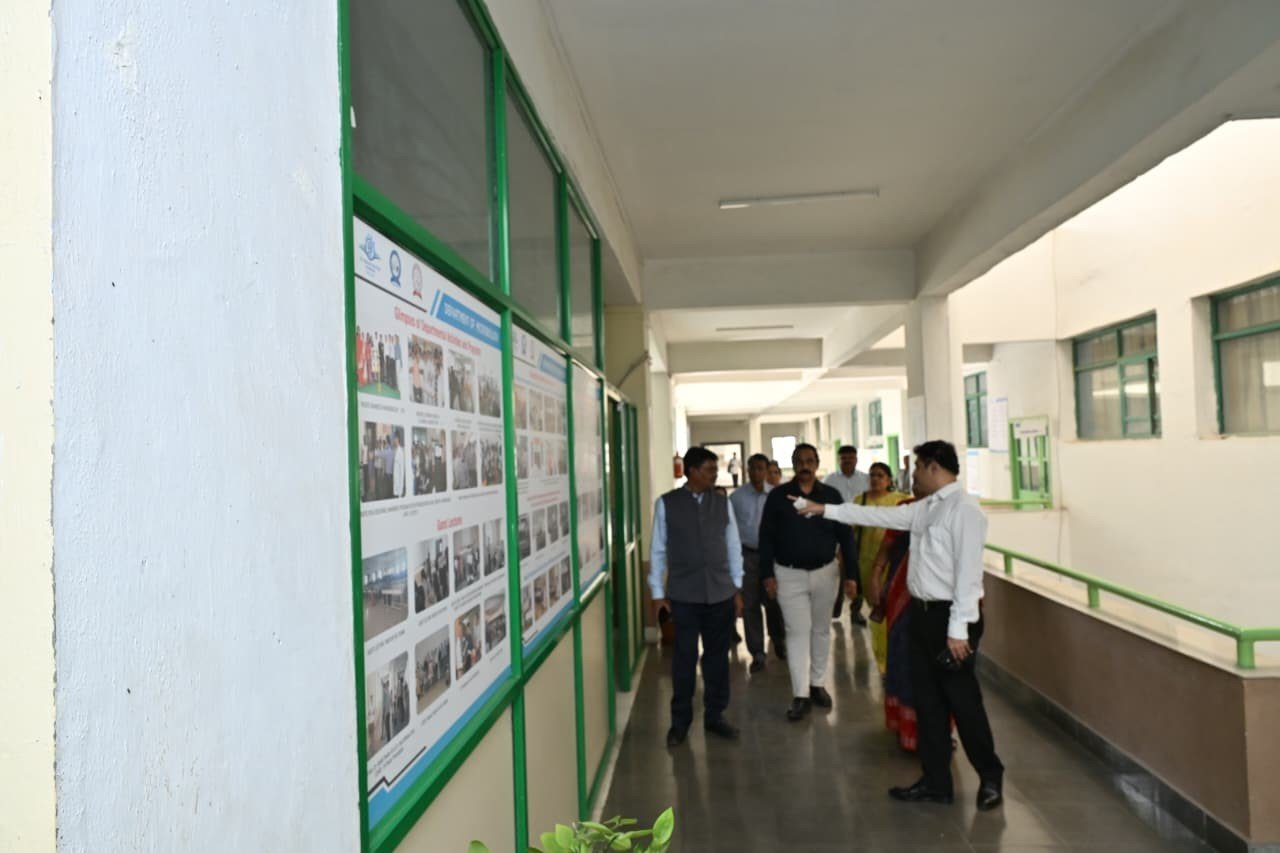
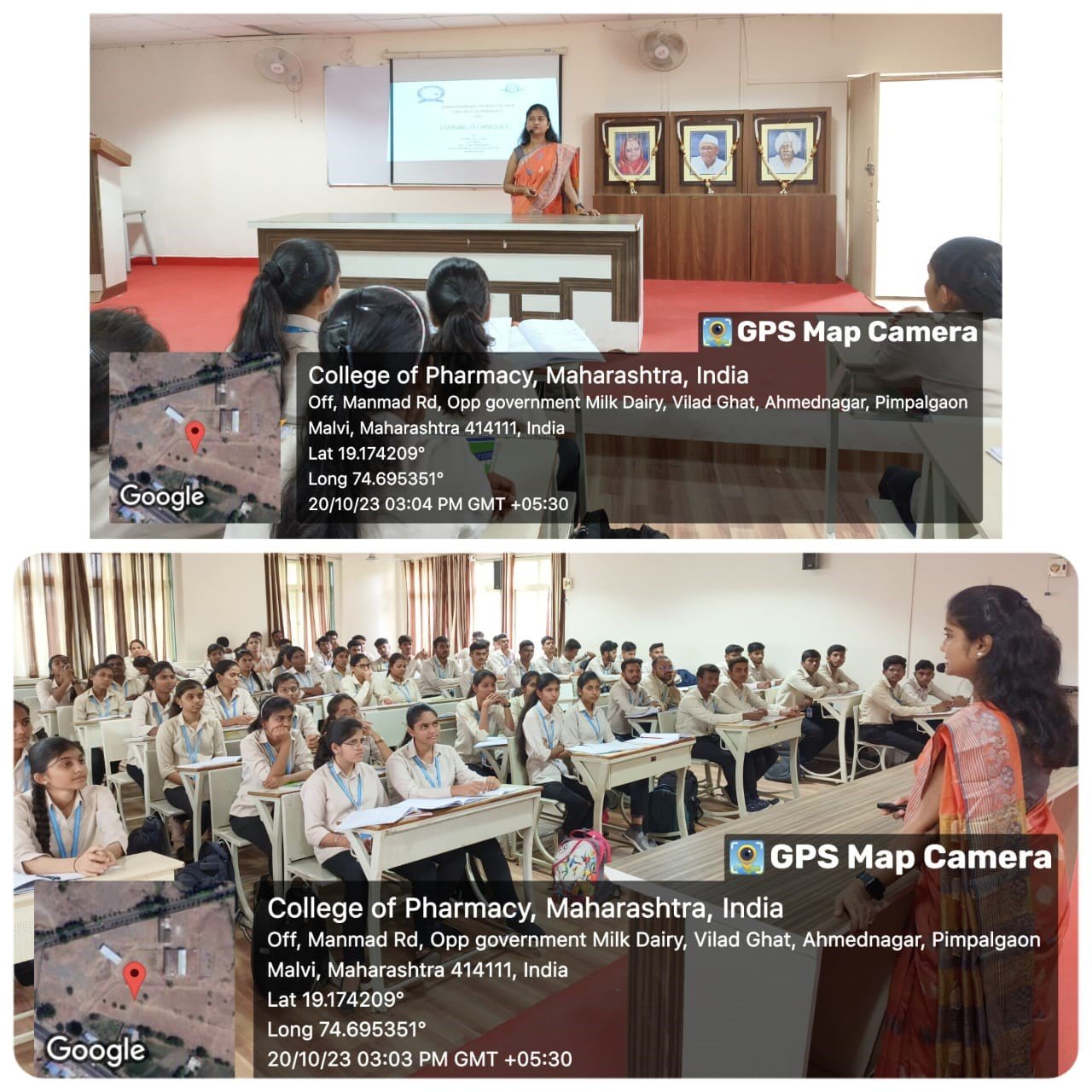
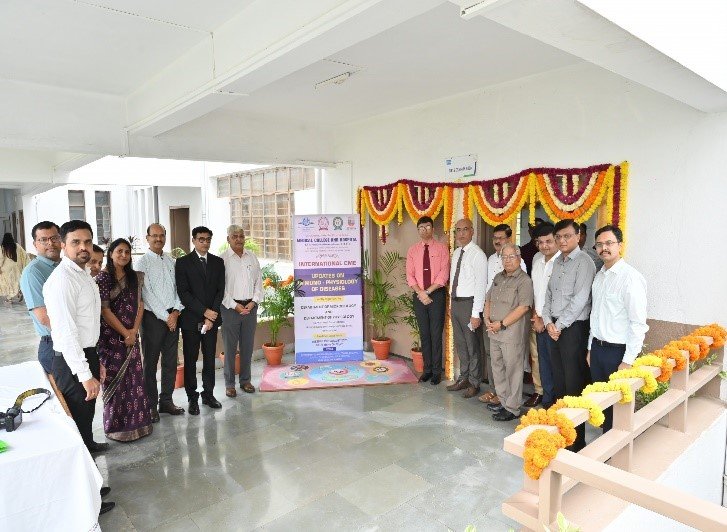
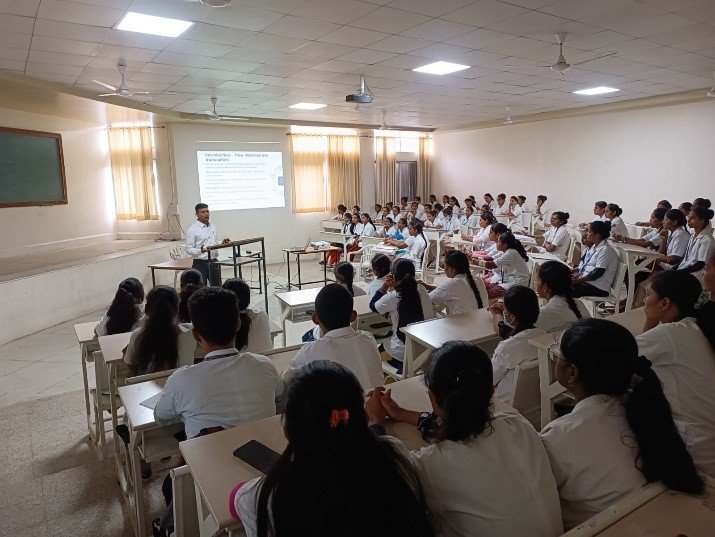
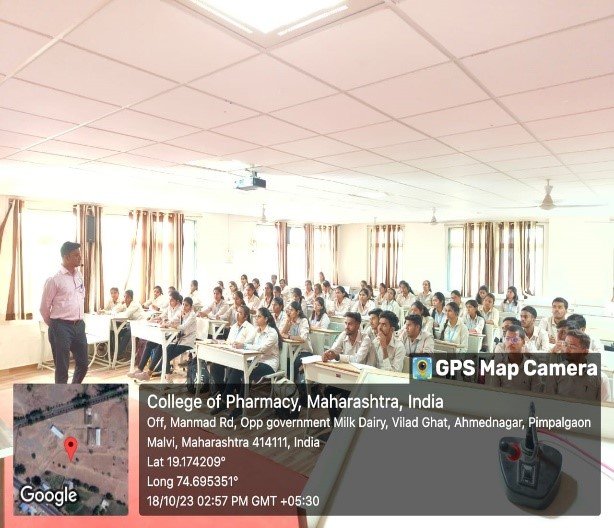
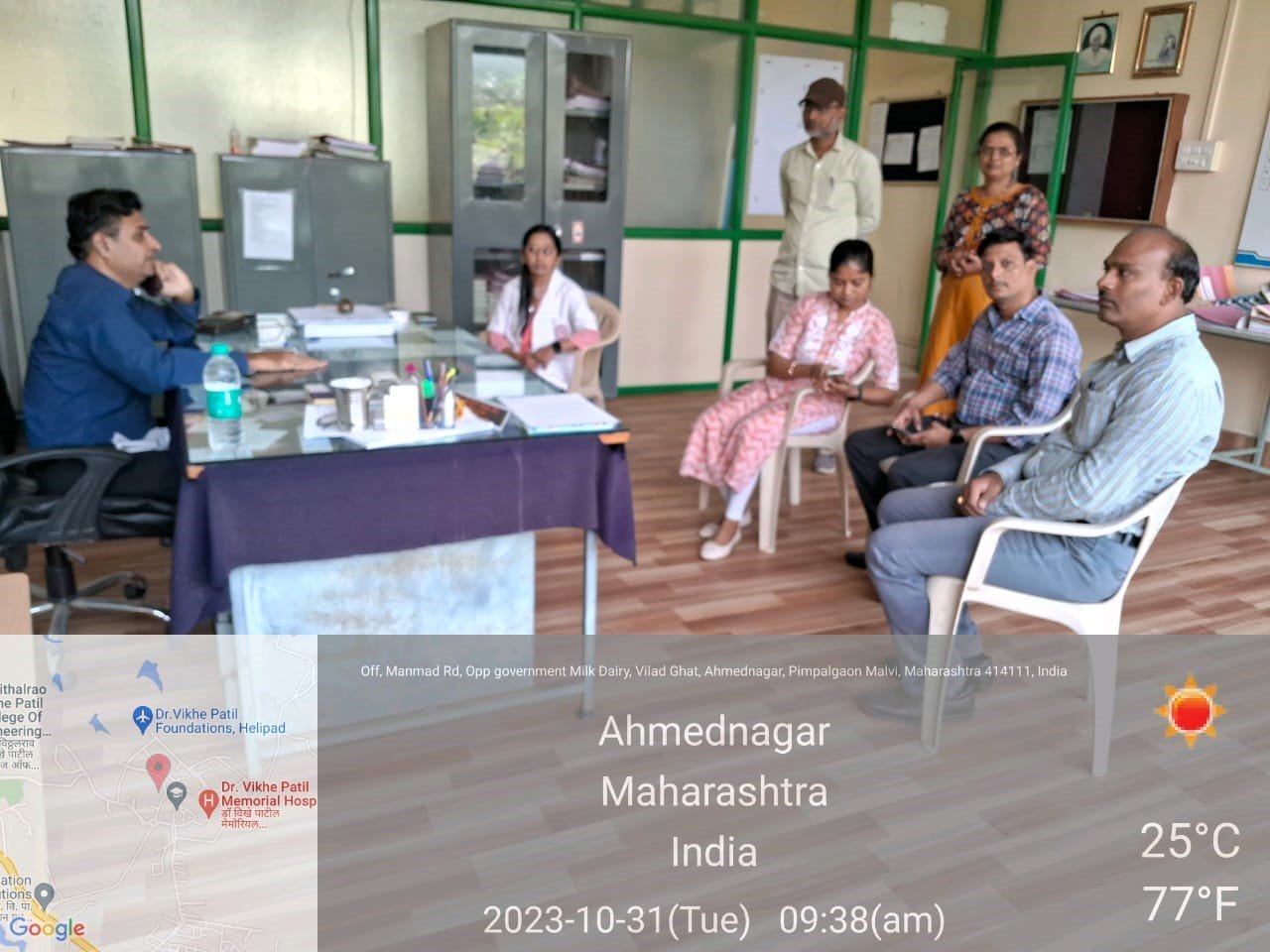
Department Details :
The Department of Microbiology functions under the aegis of DVVPFS Medical College & Hospital. The Department is poised to meet the requirements of the medical fraternity at the institution. The Laboratory services available are proportionate to the clinical services offered in the institution. Investigation of a disease is an important part in the diagnosis of disease. With newer diagnostic techniques, it is now possible to detect various diseases using simple tests at a cost that the community can afford.
It highlights the basic laboratory techniques for processing clinical samples that should be stringently followed in our lab. All the major sections of the microbiology diagnostic services are present and the team of highly competent technologist deliver quality credible result in the minimum possible time. In the selection of techniques, particular attention has been paid to low cost, reliability and simplicity of methods and to the availability of resources in medium and small laboratories. The department of Microbiology is located on the second floor of the medical college building. The Microbiology laboratory is divided into various sections depending on the nature of tests carried out. The various sections are Bacteriology, Mycology, Parasitology, Virology, Serology, Immunology, Mycobacteriology, Molecular diagnostics, media preparation & Storage. The department also runs an effective hospital infection control services.
Vision :-
To disseminate knowledge of Microbiology amongst students & dedicated research compassionate medicine.
Mission:-
1. To introduce innovative methods of teaching to create interest about the subject in students
2. To get students involved in research & publish papers.
Teaching Staff
Teaching Staff 1
PDFActivities
Activities 1
PDFAwards & Achievements
Awards & Achievements 1
PDFBest Practice
Best Practices :
· Molecular Diagnosis (RT- PCR) for Covid -19 viral infections.
· Subject expertise and consultancy services (e.g. Air Sampling for nearly 38 Primary Health Centers.)
· Support to various Government Programmes- ICTC, RNTCP
· Support for „Hospital Infection Control Programme
ü Monitoring and surveillance of infections in Dr. Vithalrao Vikhe Patil memorial Hospital
ü Water testing, Quality control for AC filter OT, Blood bag, CSSD
ü Air Sampling of Operation Theatre and critical care area
ü Hospital environment
ü Student and Faculty Research Projects
ü External Quality Assessment for Molecular Diagnosis, HIV testing, Clinical Bacteriology, Serology.
Research
Research 1
PDFSOP
SOP 1
PDFFuture Plan
Future Plan :
1. To introduce innovative methods of teaching
2. To get students involved in research
3. Encourage students to do research as well as publish papers
4. To make available automated machines for rapid diagnosis of infectious diseases.
5. To improve staff student relationship so as to improve student morale
6. Up gradation of museum with digital library
7. To make available CBNAAT, Gene sequencing for detection of drug resistance.
Profile Book
Profile Book 1
PDFOthers
Other Information :
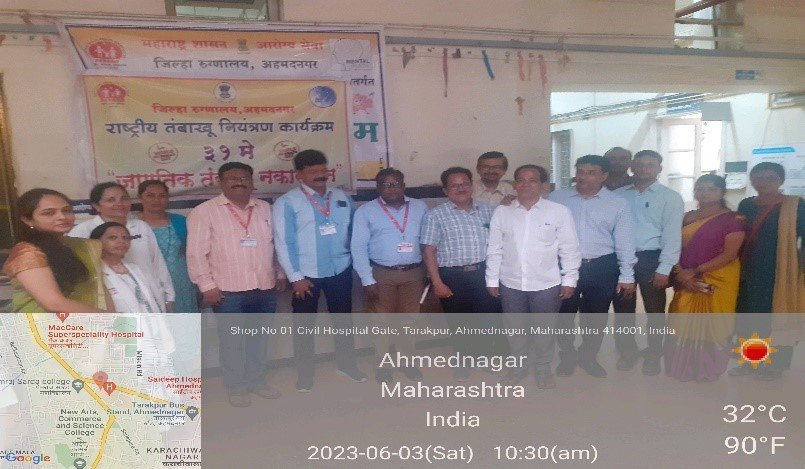
SOCIAL OUTREACH SERVICES OR PROGRAMS
1)The Microbiology department is dedicated to working with local Students through our outreach efforts.
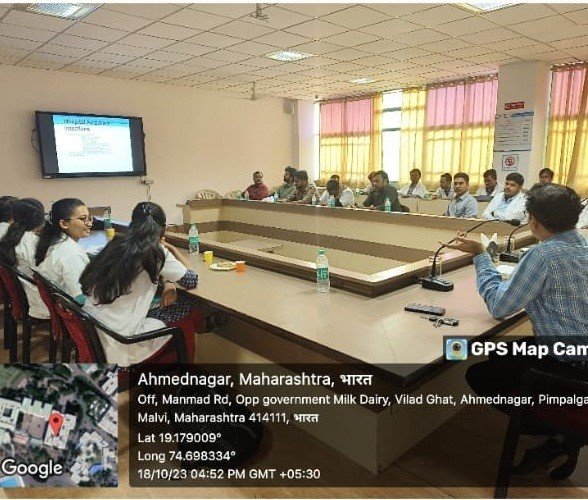
We to raise awareness about Infection control in Hospital by arranging training programs & orientation programs for Interns, Nurses, Class 3 & 4 workers, students & at Vikhe patil memorial hospital & Medical college along with teaching them about Medical Microbiology.
2)Also arranged health and awareness (STD) programme for sex workers in and around the area of shevgaon, Ahilyanagar.
SPECIAL FEATURES OF DEPARTMENT
i)Well-equipped labs, and demonstration rooms.
ii)Well qualified faculty and technical staff.
iii)High standard of teaching & evaluation.
iv)Innovative methods of teaching like OSPE (objective structural practical examination) and OSCE, Integration, MCQ discussion etc.
v)Activity based teaching in the form of model making and presentation.
vi)Self-directed learning, Quiz, seminar, clinical case discussion, arranging visits of UG students to different hospital units.
vii)Horizontal and vertical integrated teaching.